
Reaction Injection Moulding
Want to get started? Call us on +61 3 8899 7280
or complete the enquiry form to speak with someone from our team.


Contact Us Today
Trusted by Businesses Around the World


What is Reaction Injection Moulding
Reaction Injection Moulding (RIM) is similar to traditional injection moulding, but instead of melting thermoplastics, it uses two liquid components that react together inside the mould to form a solid polyurethane part.
RIM is ideal for large, complex parts that need a high-quality painted finish, such as automotive bumpers, spoilers, enclosures and housings. Because it runs at low pressure, tooling costs far less than traditional injection moulding, making it well suited to production runs of 100 to 10,000 parts.
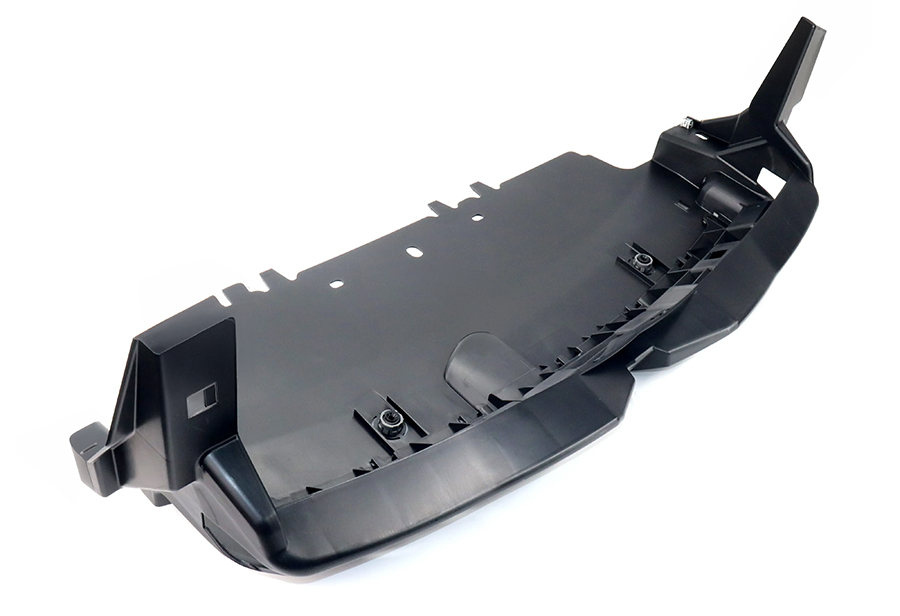

How RIM Works
- Mixing: Two liquid components, a polyol and an isocyanate, are combined in a high-pressure mixing head.
- Injection: The mixture is injected into the mould at low pressure, reducing stress on both the mould and the part.
- Curing: The components react inside the mould, generating heat and curing into a solid polyurethane part.
- Demoulding and finishing: The part is removed once cured, then trimmed, painted or finished as required.
Advantages of RIM
- Large parts: RIM fills large moulds evenly, making it ideal for bumpers, panels and enclosures.
- Lower tooling costs: Low injection pressures mean tooling costs much less than traditional injection moulding, and lasts longer.
- Design flexibility: Thick and thin walls, ribs and complex shapes can all be moulded in the same part.
- Paintable finish: RIM parts take paint well, giving a high-quality finish for visible components.
- Overmoulding: Inserts, electronics and other components can be encapsulated within the part.
- Tailored material properties: Polyurethane formulations can be rigid or flexible, impact resistant or heat resistant, to suit the application.
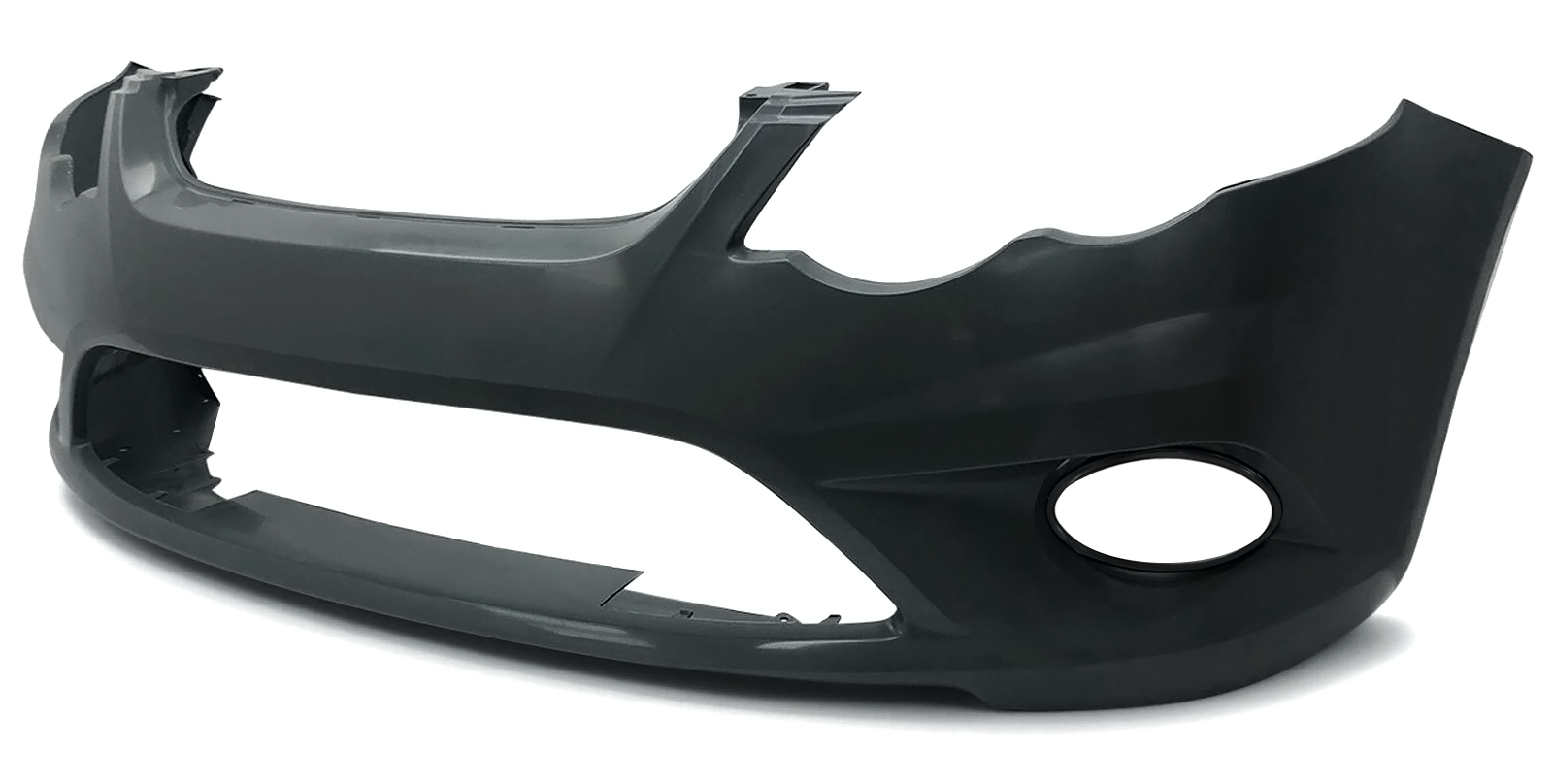

Common RIM Applications
- Automotive: bumpers, spoilers, body panels and interior components
- Medical equipment: device housings and enclosures
- Industrial equipment: machine covers, enclosures and panels
- Consumer products: electronics casings, furniture components and recreational equipment
RIM vs Injection Moulding
Traditional injection moulding melts thermoplastics and injects them at high pressure, which needs hardened steel tooling and suits high volumes. RIM uses thermoset polyurethanes that cure through a chemical reaction at low pressure, so tooling costs less and larger parts are easier to produce.
The trade-offs are longer cycle times, higher material costs and a smaller range of materials. That’s why RIM works best for large parts in low to medium volumes, while injection moulding is usually more economical for small parts in high volumes.


Frequently Asked Questions (FAQ)
A low-pressure moulding process where two liquid components react inside the mould to form a solid polyurethane part. It’s ideal for large, complex parts that need a high-quality finish.
Lower tooling costs, the ability to mould large parts, design flexibility with varied wall thicknesses, paintable finishes and the option to overmould inserts.
Automotive bumpers and panels, medical device housings, industrial enclosures and consumer product casings.
RIM uses liquid thermosets that cure through a chemical reaction at low pressure, rather than melted thermoplastics at high pressure. This means cheaper tooling and larger parts, but longer cycle times.
RIM uses polyurethane systems, which can be formulated to be rigid or flexible, impact resistant or heat resistant, depending on the application.
RIM is most cost-effective for runs of around 100 to 10,000 parts. For higher volumes of smaller parts, traditional injection moulding is usually the better choice.


