3D Printing Services
Industrial 3D printing for engineering prototypes and production parts, with 15 in-house printers and over 30 materials. Every part is printed at our Melbourne facility and delivered across Australia.
Want to get started? Call us on +61 3 8899 7280
or follow the button below to get instant pricing.


Contact Us Today
Trusted by Businesses Around the World


Our 3D Printing Service
Every part is printed in-house at our Melbourne facility and delivered to customers across Australia. Your files never leave the country, and every job is produced under our ISO 9001 certified quality system.
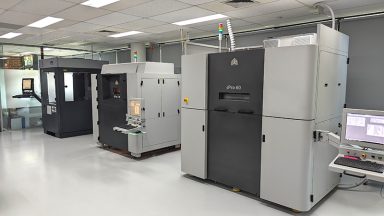
We run 15+ industrial 3D printers across seven technologies, and with over 30 engineering materials to choose from. That range means we recommend the process that suits your part, not the one we’re tied to, whether you’re working in aerospace, defence, healthcare, consumer goods or product development.
From rapid prototyping to additive manufacturing for production, we handle the full job, from file review and printing through to post-processing and inspection. When you order through Formero, you never have to worry.
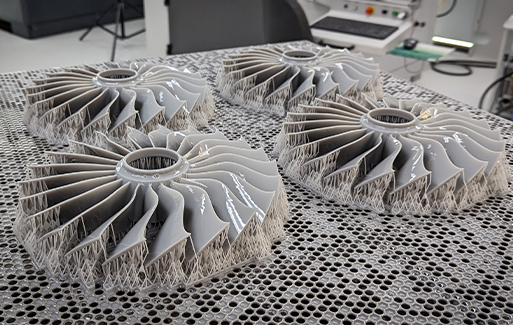

Industrial & Production 3D Printing
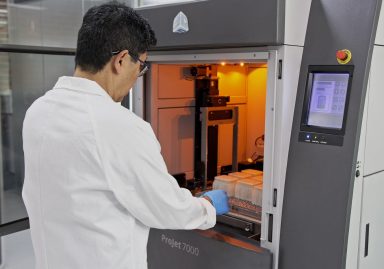
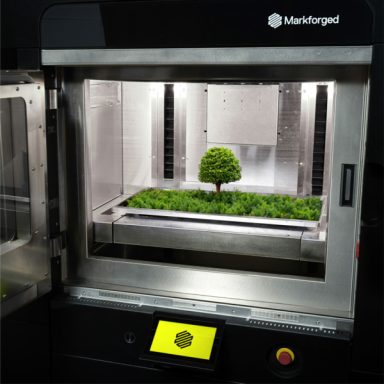
Many businesses outsource 3D printing because running industrial machines in-house is expensive and specialised. As Australia’s leading 3D printing bureau, we give you access to industrial SLS, MJF, MSLA, SLA, DLP and FDM technology, plus metal 3D printing, without the investment, staff or maintenance.
We handle production work as well as prototypes, delivering consistent short run production and end-use parts with material testing on every powder build and first article inspection reports when you need them. Whether you need a handful of parts or a full production run, we’ll recommend the most cost-effective way to make them.
Benefits of 3D Printing with Formero.

Customisation
Tailor your products to specific requirements, offering personalised solutions for your projects.

Cost-Effective
Reduce production costs by eliminating the need for complex tooling and moulds, especially for low-volume or custom designs.

Complex Geometries
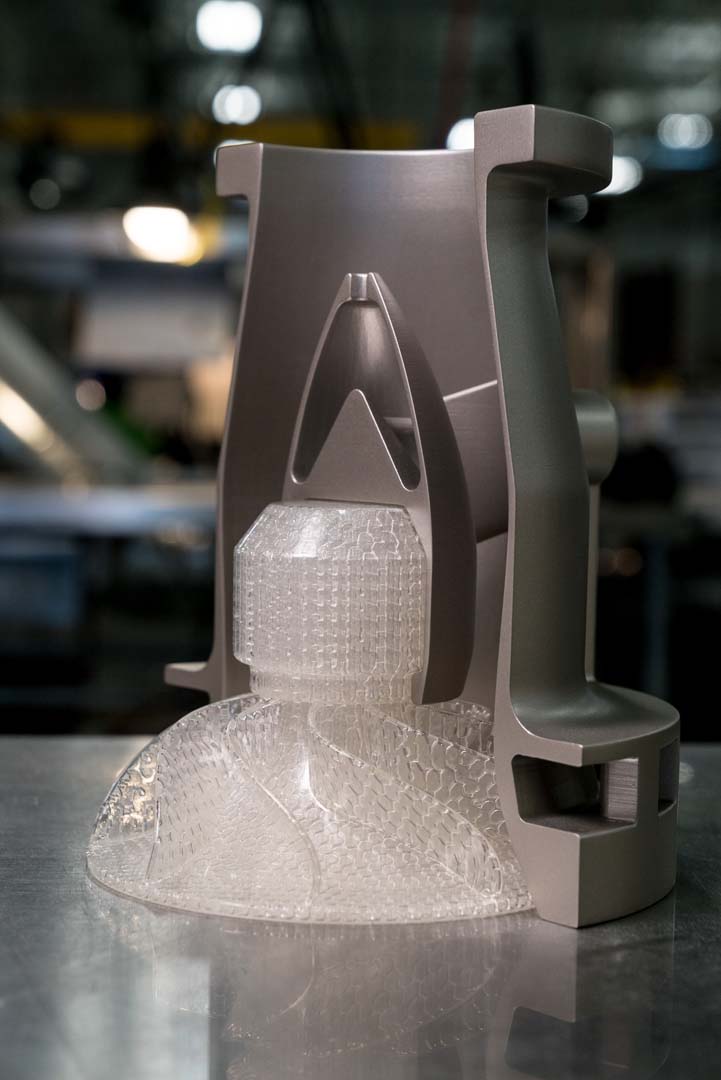
Create intricate and complex designs that traditional manufacturing methods simply can’t replicate.

Speed and Efficiency
Shorten your development cycle with rapid prototyping and post-processing, enabling faster iterations and reduced time-to-market.
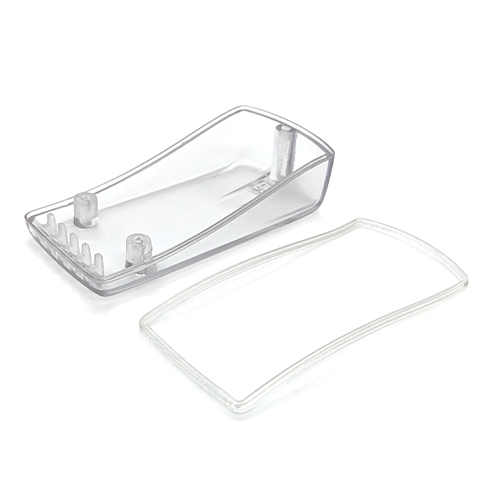
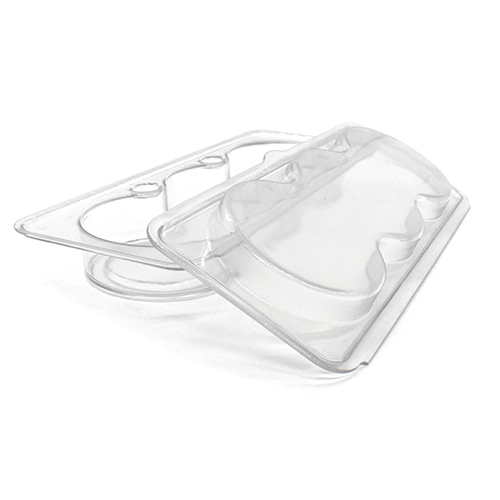
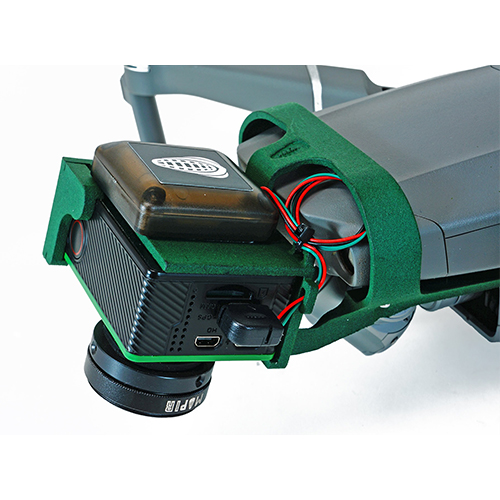
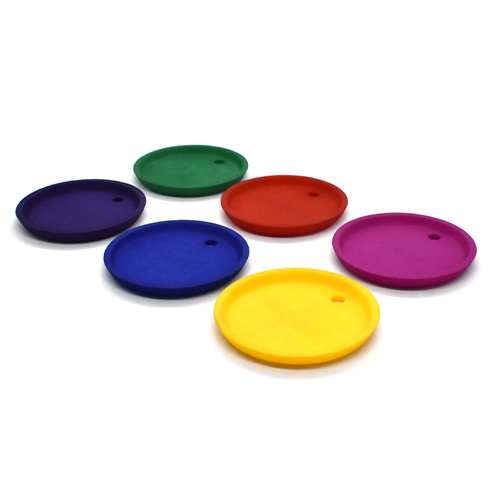
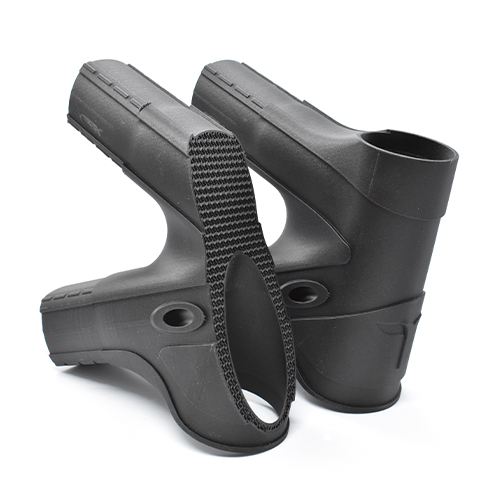

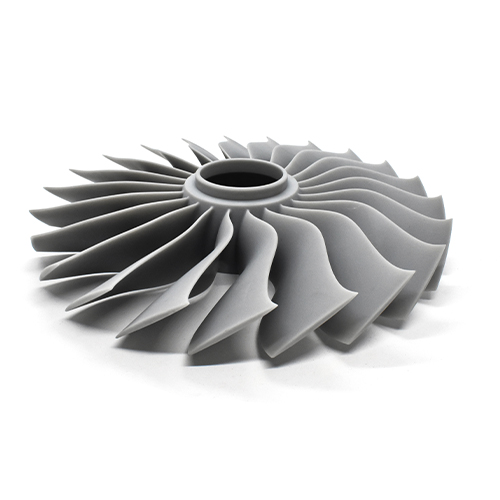
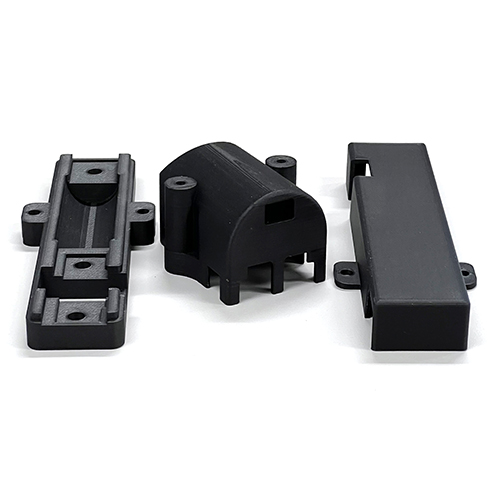
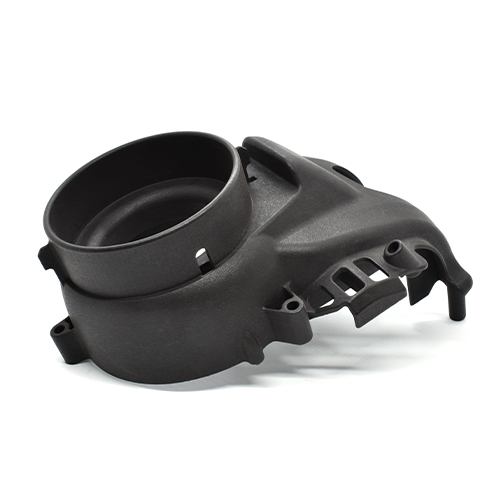
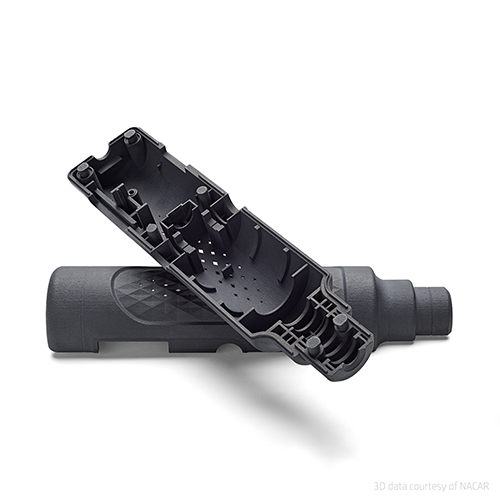
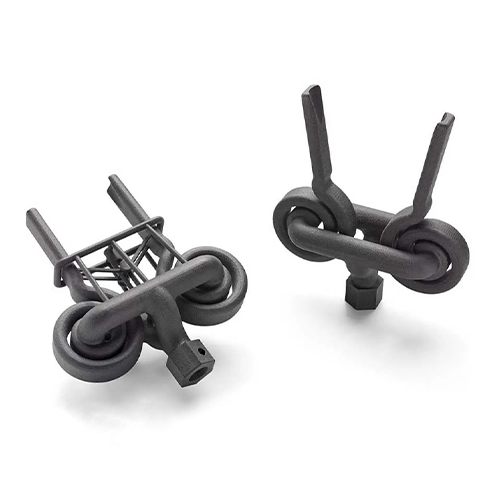
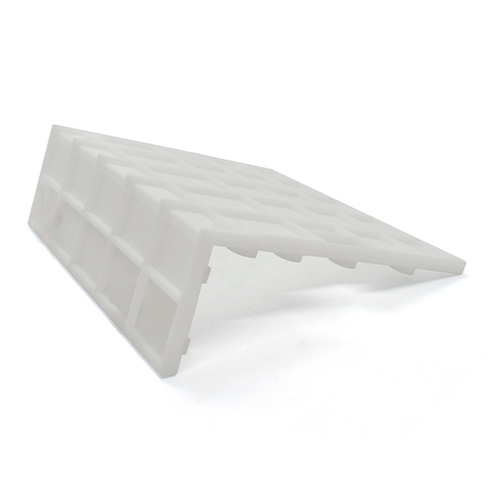
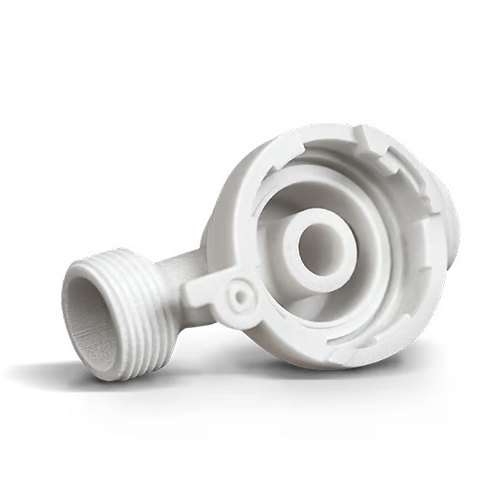
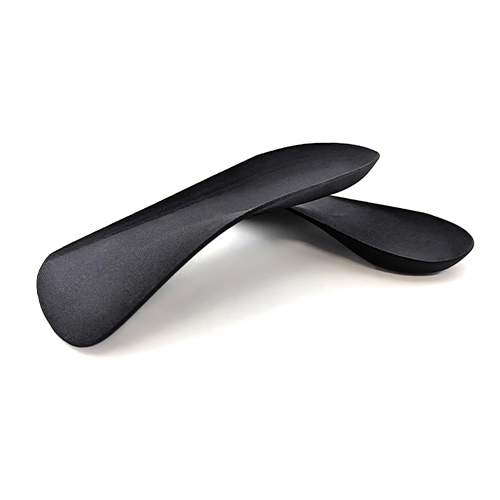
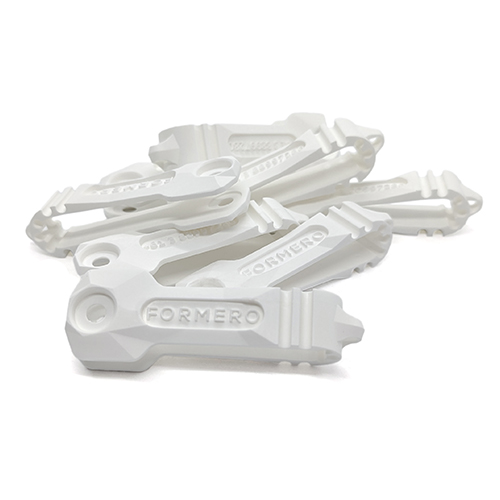
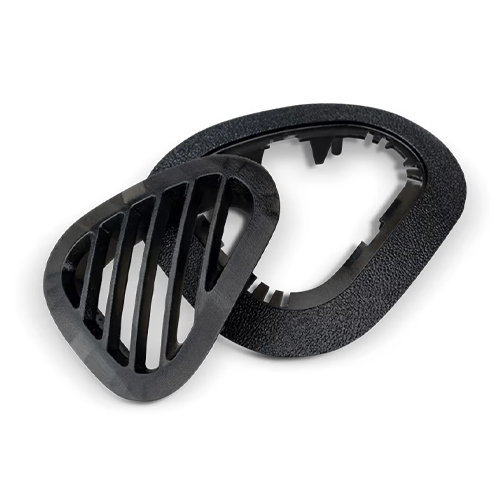
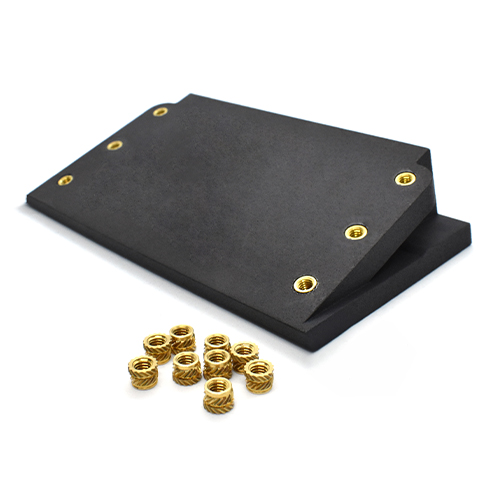
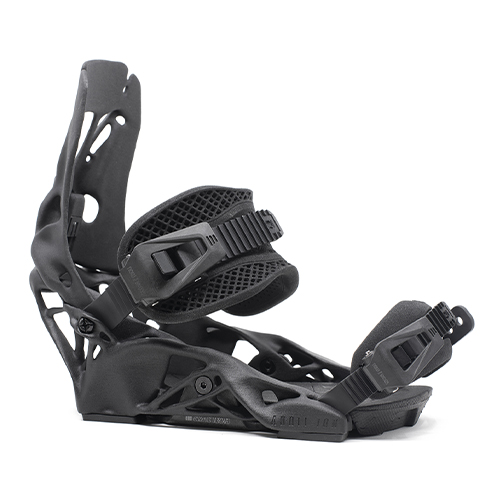
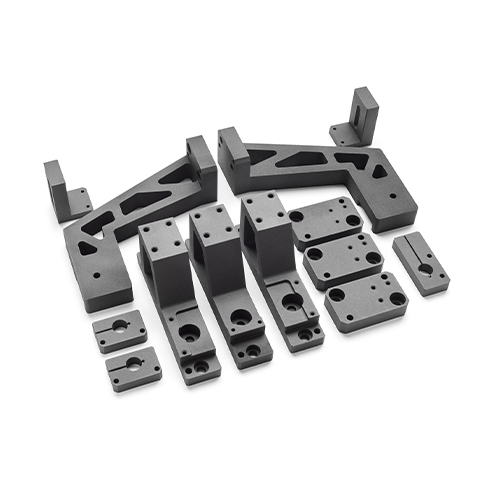
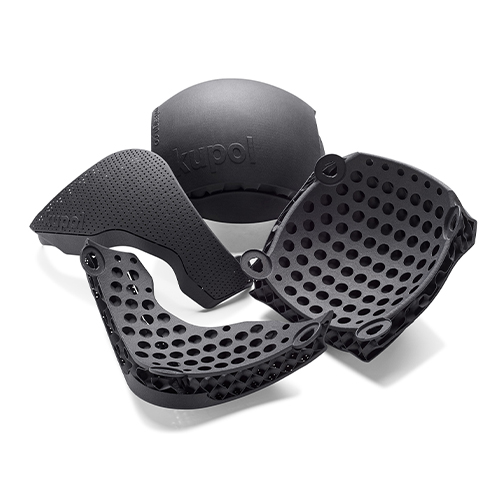
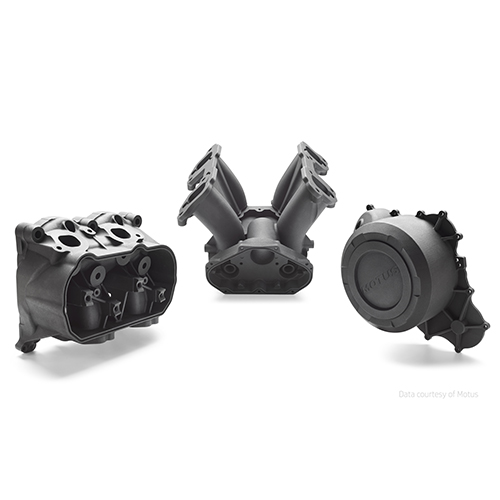
Available 3D Printing Technologies.


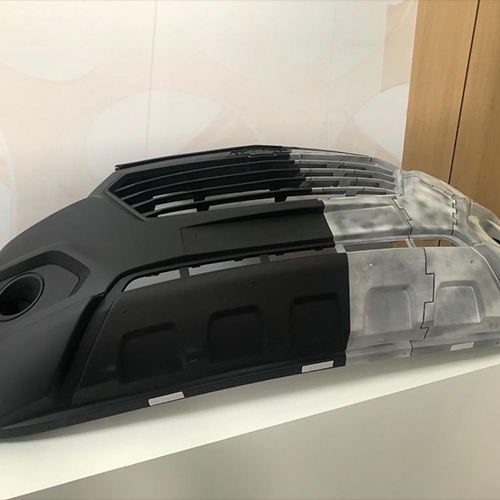

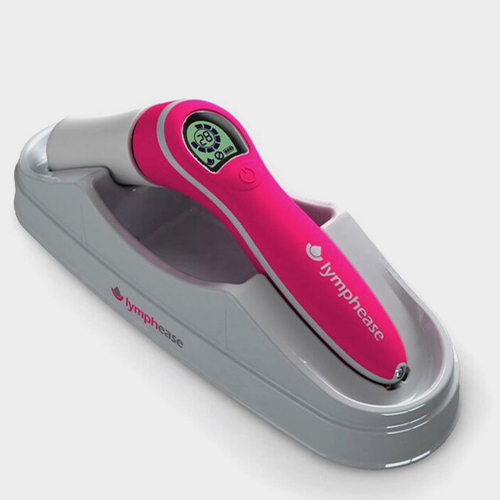
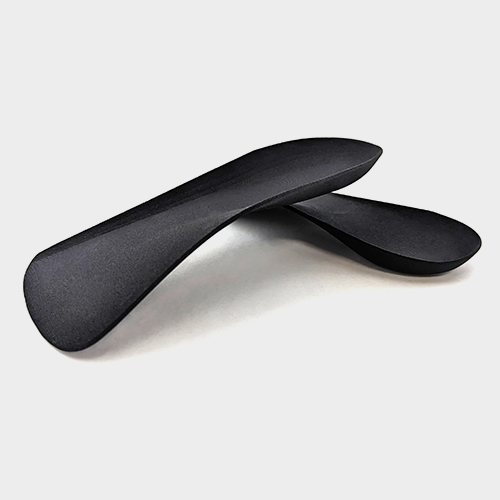
3D Printing vs Additive Manufacturing.
The distinction between 3D Printing and Additive Manufacturing Processes is primarily defined by the number of parts involved. The term 3D Printing is more often used when printing in smaller batches, typically around 1-20 prototypes, offering a precise and swift solution.
Additive Manufacturing Processes, on the other hand, step in for larger production needs, ranging from 100-200 parts. The Additive Manufacturing Process is the opposite of subtractive manufacturing – which works by cutting out part of the material to create the final product. Additive Manufacturing is often associated with selective laser sintering, multi-jet fusion and digital light processing technologies.
These manufacturing methods showcase its capacity to meet substantial manufacturing requirements.
3D Printing Materials.
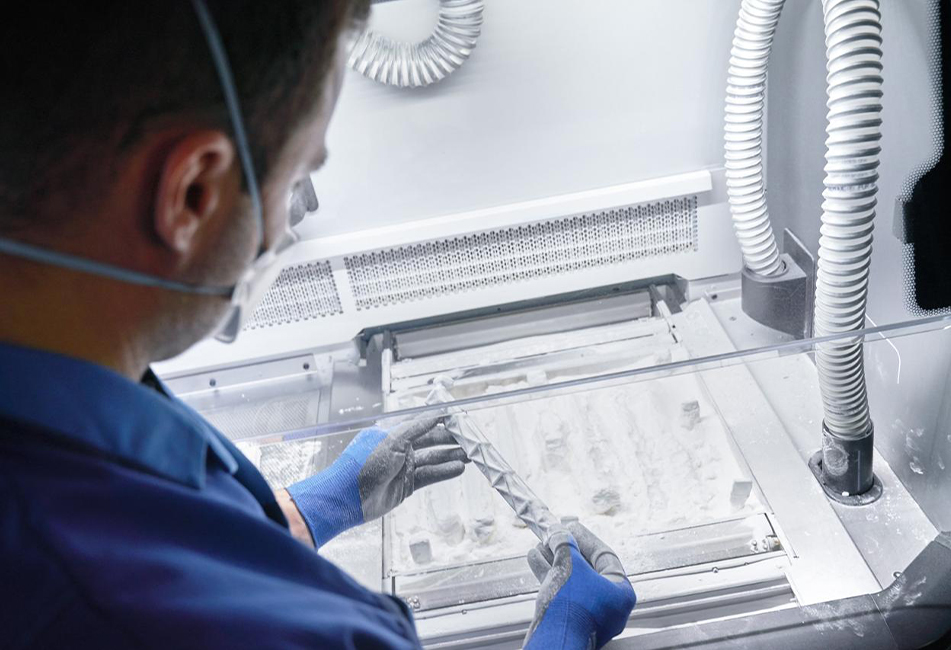
Our range of 3D printing materials encompasses a wide variety of properties and characteristics, allowing us to create parts that meet your exact specifications. For more information on our full range of materials, you can view our materials page or visit each service individually. Some popular materials we use for 3D Printing include:
- ABS
- Nylon 11 & Nylon 12
- Glass Filled Polyamide (Nylon)
- Fibre-reinforced Composites (Nylon)
- Flame Retardant Materials
- Nylon Copolymers
- Rubber
- Continuous Fiber Reinforced Nylon
- HDPE-like Nylon blend
- PEI Thermoplastic
- Polypropylene
- Photopolymer Resin
- Polycarbonate-like Clear Resin
Benefits of 3D Printing.
Unlike most conventional manufacturing methods, 3D Printing processes present numerous benefits that make it the preferred choice for many industries. These include:
- Greater design flexibility: While many traditional manufacturing processes are limited by complexity and geometrical constraints, 3D Printing allows for more intricate designs to be created with ease.
- Faster production: 3D Printing can produce parts in a fraction of the time compared to traditional manufacturing methods, thanks to its layer-by-layer fabrication process.
- Reduced waste: With 3D Printing, only the necessary material is used, significantly reducing waste compared to subtractive manufacturing methods.
- Lighter and stronger parts: The layered construction of parts in 3D Printing results in stronger and lighter products, making it ideal for industries such as aerospace and automotive.
- Customisation: 3D Printing allows for the creation of highly customised products that cater to specific requirements, making it a popular choice for industries such as medical and orthotics.
- Cost-effective: With no need for complex tooling and moulds, 3D Printing can be a more cost-effective option for low-volume or custom designs.